Regular electric fence checks are essential for maintaining the safety and effectiveness of your fencing system. Even minor issues, such as overgrown vegetation touching the fence line, can reduce performance and compromise livestock security. By routinely inspecting your fence and using the right testing and maintenance tools, you can quickly identify faults, prevent power loss, and ensure your electric fence continues to operate at peak performance.
There are 4 essential electrical fence checks and they involve the following:
- Power supply
- Energiser output
- Fence installation
- Earthing system
None of these checks are overly time consuming, however if an error is discovered you will have to investigate where the fault is located and the underlying cause; this can take some time depending on the length of the run, but investing the time is undoubtedly worth it.
Finding Faults In Your Electric Fence
Power Supply Faults
This is one of the quickest and easiest checks you can perform, taking no more than a minute to complete. If you suspect there is a problem with your electric fence, this should be your first step, as the cause is often easy to identify and resolve. Addressing simple issues early can help restore your fence's performance quickly and prevent more serious problems from developing.
- Disconnect the energiser from its power supply, whether it be a battery or the mains.
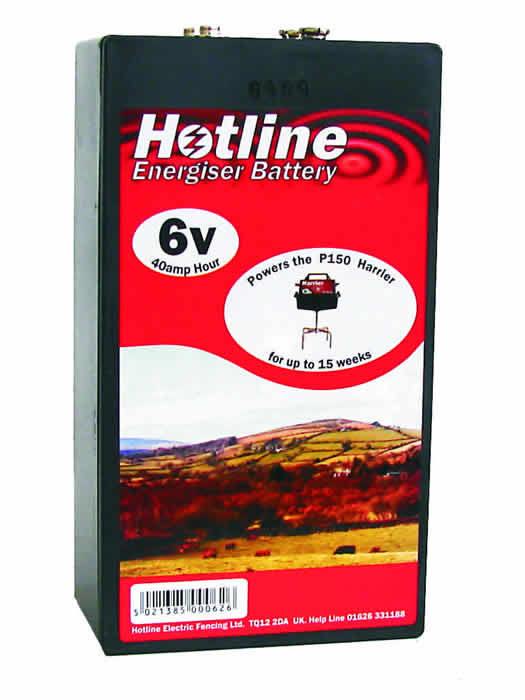
- Measure the battery's output; with the exception of an 8.4 volt battery, which can read a minimum of 7.2 volts, a battery ought to have its maximum output as its minimum, e.g. a 12V battery should read a minimum of 12V; a 6V battery, a minimum of 6V.
- A mains energiser which operates on 230 volts requires an alternating current of 220 to 240 volts to operate, if the power supply is incapable of efficiently putting out this level of energy consistently then it is unsuitable.
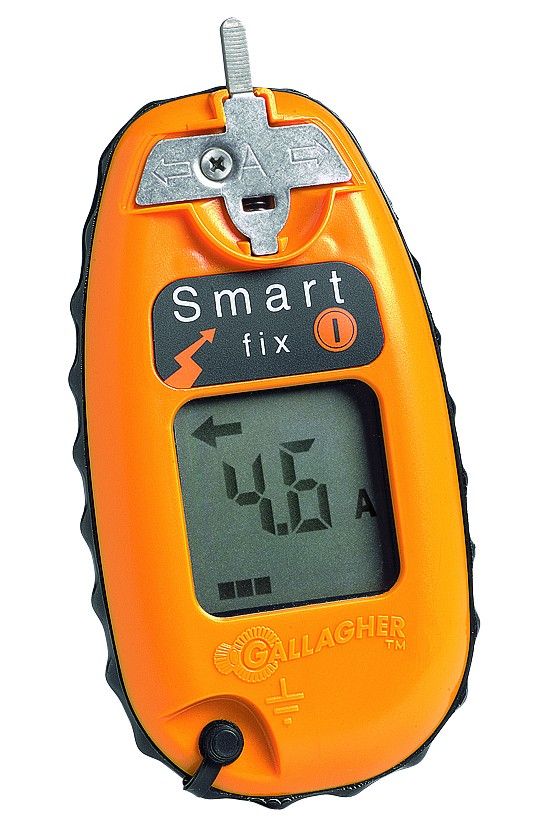
Energiser Output faultsThis is best done using a proper fence tester, as regular voltmeters are not designed to measure the high voltages or short pulses that energisers put out, which may result in them being damaged.
- Leaving the earth wire connected, disconnect the lead-out cable from the energiser's terminal.
- Plug the fence tester into the port and measure the energiser's output. If the reading is low then there are two possible options:
- Report the fault to the company that the energiser was brought from and arrange for it to be sent back for repair or replaced.
- Alternatively, if you are confidant enough to do so and have the necessary tools, you could replace the energiser's circuit board; which ought to fix the problem. You may want to check before doing this to see if it will have an effect on the unit's warranty
 Fence Installation Faults
Whilst this is potentially the easiest fault to fix, it can also be the most difficult to locate; which is why it is generally left till last.
- Reconnect the lead-out cable to the energiser's terminal and disconnect it from the fence.
- Measure the voltage.
- If the voltage is good then there is no problem, if it's low then the cable is faulty and ought to be replaced.
- Reconnect the lead-out cable and disconnect any secondary runs which lead off the main, primary run.
- Measure the voltage, if it is low then there is a fault, and it can be found somewhere on the main run.
- Systematically cut off areas of the fence and measure their voltage.
- If a fault is found then inspect that section of the fence run for faults, paying particular attention to corners, gates, insulators, connectors, etc.
- Also keep an eye out for rust or vegetation that is in contact with the fence, as these will also cause a loss of voltage.
- When the source of the fault has been located it will need correcting, whether that means cutting back some vegetation, or replacing a rust fence line or damaged insulator.
Earthing System FaultsIt is highly unlikely that your earthing system will be the cause of a loss of voltage, however if the earthing system is not operating efficiently then it will have a massive impact on the fence's ability to operate; so it is worth checking on from time to time just to be sure.
- Turn off the energiser.
- Create a short along the fence line by connecting it to ground, either by using a metal spike or by simply placing 100 metres of the fence run on the ground.
- Measure the voltage between the ground and the earth spike, if it exceeds 200V then everything is fine, if not then there is an issue with you earthing system.
To ensure that your electric fence is running as well as it can, take a look at our blog
The 6 Most Important Electric Fence Supplies for your Setup, to help make sure it is in tip top condition.