Electric fence netting is a versatile and highly effective solution for farmers, smallholders, and landowners looking to secure livestock and manage grazing areas. Suitable for a wide range of animals, including sheep, poultry, goats, and other small livestock, electric netting provides a portable and flexible fencing option that can be easily installed, moved, and adapted to changing requirements.
To get the best results from your electric fence netting, it is important to ensure it is installed correctly and maintained regularly. Here is an easy to follow guide to get you started!

Electric fence netting is ideal for temporary grazing, rotational grazing and creating secure enclosures that can be moved as livestock requirements change. It's particularly popular with sheep keepers, poultry owners and smallholders because it combines physical netting with an electric pulse, helping to discourage animals from pushing through or predators from entering.
Selecting the right electric fence netting will help you create a secure enclosure that's suited to your livestock and grazing system. Before making your choice, consider the type of animals you're containing, the size of the area you need to fence and how often the fencing will be moved.
If you're using electric netting for rotational grazing or temporary paddocks, lightweight netting that's quick to install and relocate can save valuable time. For larger or more challenging sites, choosing netting with sturdy posts and a suitable length will make installation easier and improve stability.
When choosing electric fence netting, consider the following:
Taking the time to choose the right electric fence netting will make installation easier, improve fence performance and help keep your livestock safe and secure throughout the grazing season.
Not all electric fence netting is constructed in the same way. The height, mesh spacing and conductor arrangement all play an important role in keeping different types of livestock safely contained. Choosing netting that's designed for your animals will improve fence performance and reduce the risk of escapes.
Different livestock have different fencing requirements:
Using netting designed for your livestock will make your fencing system more reliable and help ensure animals remain safely contained throughout the grazing season.
Your electric fence netting is only as effective as the energiser powering it. Selecting an energiser that's suitable for the length of your fence and the type of livestock you're containing will help maintain a strong, consistent pulse and reduce the likelihood of animals testing the boundary.
There are several types of energiser available to suit different applications. Mains-powered energisers are ideal for permanent fencing where a reliable power supply is available, while battery and solar-powered models offer greater flexibility for temporary paddocks, rotational grazing and remote locations.
When choosing an energiser, consider:
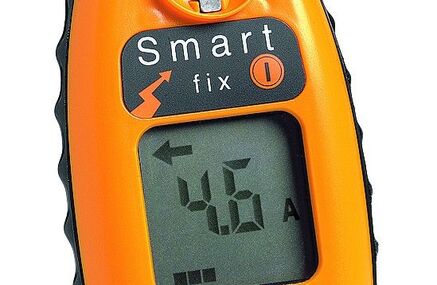
It's equally important to install the energiser with an effective earth system, as poor grounding can significantly reduce fence performance. Using a fence tester to check voltage regularly will help ensure your netting continues to deliver an effective deterrent throughout the grazing season.
A reliable earth system is essential for your electric fence netting to work effectively. Even the most powerful energiser will struggle to deliver a consistent pulse if it isn't properly earthed.
To ensure reliable performance:
A well-installed earth system helps maximise fence voltage, ensuring livestock receive an effective deterrent whenever they come into contact with the netting.
Correct installation is essential to get the best performance from your electric fence netting. Taking the time to set up your fence properly will help maintain a consistent electric pulse, reduce the risk of livestock escaping and make future maintenance much easier.
Start by laying the netting out in a straight line before inserting the posts into the ground. Keep the netting taut as you work, ensuring there are no twists or areas of slack that could reduce its effectiveness. Pay particular attention to the bottom strand, which should sit close to the ground without becoming buried or snagged on vegetation.
For the best results:
A well-installed electric fence netting system will provide a reliable boundary that's easier to maintain, helping you keep livestock secure while making rotational grazing and temporary paddock management more efficient.
Electric fence netting is a safe and effective livestock management tool when installed and used correctly. Following a few simple safety precautions will help protect people, animals and your fencing equipment while ensuring the system continues to perform as intended.
Before carrying out any maintenance or repairs, always switch off the energiser and disconnect the power supply. If your fencing runs alongside a public footpath or highway, ensure appropriate electric fence warning signs are clearly displayed to alert members of the public.
For safe operation, remember to:
Following these simple safety checks will help you get the best performance from your electric fence netting while keeping both livestock and people safe throughout the grazing season.
Installing electric fence netting on uneven ground can be tricky. Here are some tips to overcome this challenge:
To keep your livestock securely contained, follow these essential tips:
By implementing these measures, you can significantly reduce the risk of livestock escapes.
Proper maintenance is essential for the long-term effectiveness of your electric fence:
By following this maintenance routine, you can ensure your electric fence continues to protect your livestock effectively.
Choosing the right electric fence netting and maintaining it properly will help keep your livestock secure while making grazing management more flexible and efficient. By selecting the correct netting for your animals, installing it carefully and carrying out regular maintenance, you can enjoy reliable performance throughout the grazing season. If you're unsure which electric fence netting or accessories are best suited to your setup, our team is always happy to help.
For further guidance, take a look at our blog on How to Install an Electric Fence Safely and Effectively.