Whether you're fencing horses, cattle, sheep, goats or poultry, choosing the right electric fence energiser is one of the most important decisions you'll make. The energiser is the heart of your electric fencing system, delivering the pulse that keeps livestock safely contained and predators out.
With so many options available, from battery-powered units to mains and solar models, it can be difficult to know which is best for your needs. This guide explains everything you need to consider before investing in electric fence energisers, helping you choose a solution that delivers reliable performance for years to come.
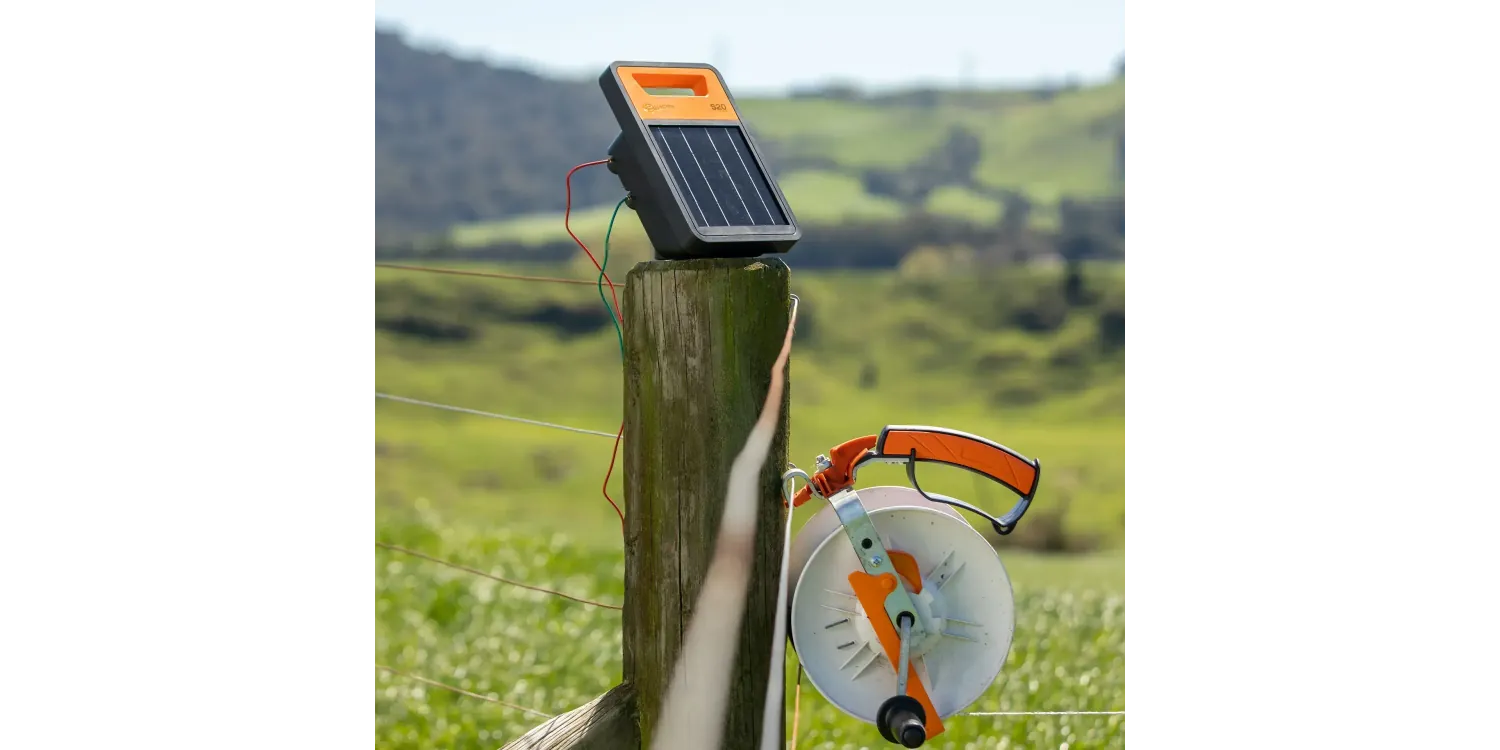
An electric fence energiser, sometimes referred to as a fence controller, converts power into short, safe, high-voltage pulses that travel along your fence line. When an animal touches the fence, it receives a brief but memorable shock that encourages it to avoid the fence in future.
The effectiveness of your fencing system depends on choosing an energiser with sufficient power for your fence length, livestock type and surrounding vegetation.
One of the first decisions is how you want to power your electric fence.
Mains-powered energisers are ideal where access to a reliable electricity supply is available. They provide continuous power with minimal maintenance and are perfect for permanent fencing around farms, paddocks and grazing land.
Best for:
Battery energisers offer excellent flexibility for temporary fencing and grazing rotation. They can easily be moved between paddocks and are popular with smallholders and livestock keepers who don't have access to mains electricity.
Best for:
Solar-powered energisers combine a rechargeable battery with a solar panel, providing a sustainable and low-maintenance fencing solution for remote locations. They automatically recharge during daylight hours, reducing the need for manual battery charging and making them an excellent choice for permanent or semi-permanent installations where mains electricity isn't available.
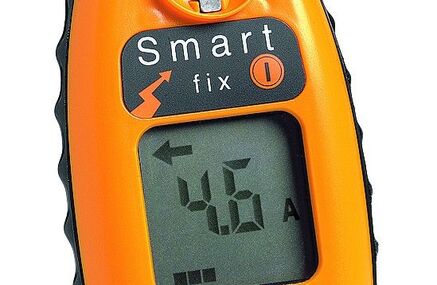
Some modern energisers also include features that make it easier to monitor the fence and manage battery power. They are particularly popular for paddocks, rotational grazing and remote livestock enclosures, offering an environmentally friendly way to power electric fencing while keeping running costs to a minimum.
Best for:
DUO energisers offer greater flexibility. They can operate from either a 12V battery or a 230V mains supply, allowing you to switch power sources as your fencing requirements change.
Different animals place different demands on an electric fencing system, so the type of livestock you're managing should be considered alongside fence length when choosing an energiser.
Visibility is particularly important when fencing horses, which is why electric tape and other highly visible conductors are commonly used. A reliable, consistent pulse helps horses learn to respect the boundary without needing an unnecessarily powerful setup for a small paddock.
Cattle are generally straightforward to contain once they have become accustomed to electric fencing. However, larger grazing areas and long fence runs may require a higher-output energiser to maintain an effective voltage throughout the system.
Sheep can be more challenging because their fleece provides insulation, making good contact with the fence more difficult. A suitably powerful energiser, combined with correctly positioned fence lines and good earthing, helps maintain an effective boundary.
Goats are naturally curious and can be persistent when testing boundaries. A well-maintained fence with several appropriately positioned lines and a reliable energiser can help discourage
Electric netting generally places a greater demand on an energiser than a simple wire or tape fence because it contains multiple electrified horizontal strands. If you're running several nets together, make sure the energiser is suitable for the total amount of netting being powered.
Vegetation touching the lower strands can also drain power quickly, so keeping grass and weeds under control is particularly important with netting systems.
A good earth system is essential to the performance of an electric fence. When an animal touches the fence, the electrical pulse needs to travel through the animal and ground before returning to the energiser through the earth stakes.
Poorly positioned or insufficient earth stakes can reduce fence performance, even when you're using a suitably powerful energiser. Follow the energiser manufacturer's recommendations for the number and length of earth stakes required, and install them in ground that retains moisture where possible.
Fence length has a major impact on energiser selection.
Manufacturers usually specify the maximum fence distance their energisers can power, but these figures assume ideal conditions. In reality, vegetation touching the fence reduces performance by drawing power away from the line.
If your fencing runs through areas with grass, weeds or hedges, it's wise to choose an energiser with more power than the minimum requirement.
A more powerful energiser will maintain better voltage levels, particularly during periods of rapid grass growth.
When comparing electric fence energisers, you'll often see a maximum fence distance quoted by the manufacturer. While this is useful for comparing models, these figures are generally based on favourable fencing conditions.
In practice, fence performance can be affected by vegetation touching the conductor, the number of electrified strands, the type and quality of tape, rope or wire, connections between fence sections and the effectiveness of the earth system.
For example, an energiser rated for a long fence distance may power considerably less fencing where there is heavy vegetation or several strands to maintain. It's therefore sensible to consider your actual fencing conditions rather than choosing an energiser based on the maximum distance figure alone.
The joule rating is one of the most useful specifications to consider when comparing electric fence energisers, as it indicates the amount of energy available in each electrical pulse.
Stored joules refer to the energy held inside the energiser before the pulse is released, while output joules indicate the energy delivered by the energiser. When comparing different models, it's important to understand which figure the manufacturer is quoting.
As a general guide:
These figures should only be used as a starting point. The amount of power you need will also depend on fence length, the number of strands, conductor type, vegetation and the animals you're managing. Always check the manufacturer's recommendations for the individual energiser and your intended fencing setup.animal, but they do mean the fence maintains effective performance over longer distances and in more demanding conditions.
Choosing an energiser isn't just about the total length of your fence. The number of fence lines, type of conductor, vegetation and animals being contained all affect how much power you'll need.
A short, clean paddock with one or two strands of tape may only need a relatively small energiser, while several kilometres of multi-strand fencing through heavy vegetation will require considerably more power. Electric netting can also place a greater load on an energiser than a simple single-wire fence.
When comparing models, treat manufacturers' maximum distance figures as a guide rather than assuming they represent typical farm conditions. If you're unsure, allowing some spare capacity gives your fencing system more scope to cope with vegetation and future extensions.
It can be worth allowing some spare capacity rather than choosing an energiser that's only just powerful enough for your current setup. This gives the fence more ability to cope with vegetation and leaves room if you extend the system later. There's no need to overspecify unnecessarily, though – the aim is to match the energiser sensibly to the job.
Modern electric fence energisers offer far more than simply powering a fence.
Depending on the model, useful features can include:
These features help reduce maintenance while giving greater confidence that your fence is operating correctly.
Even the best energiser won't perform properly without the correct accessories. The conductor you use also affects performance. Electric fence wire, rope and tape vary in resistance, so long fence runs need a good-quality conductor capable of carrying the pulse effectively over the required distance.
To achieve the best results, consider:
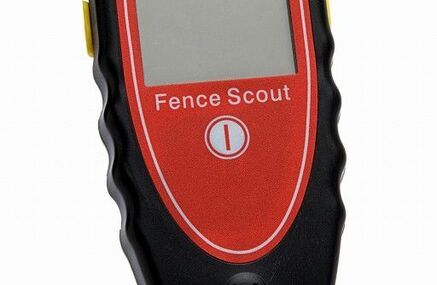
Regular fence testing allows faults to be identified quickly before livestock escape or predators gain access.
The right electric fence energiser depends on more than fence length alone. Think about the livestock you're managing, the number and type of fence lines, vegetation levels, available power supply and whether you may need to extend the system in future.
A correctly matched energiser, combined with good-quality conductors and an effective earth system, will give you a more reliable fence and make faults easier to manage.
Tanner Trading stocks a wide range of electric fence energisers for permanent and temporary fencing, including mains, battery, solar and dual-power models. If you're unsure which energiser is right for your setup, get in touch and we'll help you choose a suitable option.