Electric fencing is a versatile way to manage livestock, protect grazing areas and create temporary or permanent boundaries. But whether you're installing your first system or maintaining an existing fence, it's natural to have questions. How does an electric fence actually work? How powerful should an energiser be? Can vegetation stop a fence from working? And what should you check if your electric fence suddenly loses power?
In this electric fencing FAQ guide, we answer some of the most common questions about electric fencing, covering everything from energisers and earthing to fence wire, tape, testing and maintenance. Whether you're fencing cattle, sheep or horses, understanding the basics can help you choose, install and maintain a suitable system.

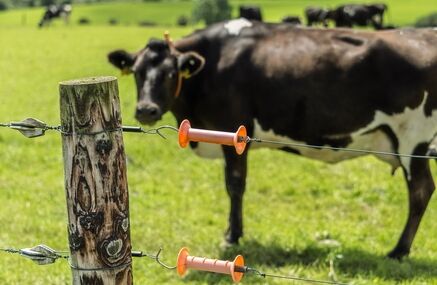
An electric fence creates a psychological rather than purely physical barrier.
An electric fence energiser sends short electrical pulses along the fence conductor. When an animal touches the live fence while in contact with the ground, it completes the electrical circuit and receives a brief, memorable shock.
Once livestock learn to associate the fence with this unpleasant sensation, they generally learn to avoid touching it.
For an electric fence to work effectively, however, all of its main components need to work together. These include the energiser, conductor, insulators and, importantly, the earthing system.
The exact equipment required will depend on whether you're creating a permanent or temporary fence and the type of animals you need to contain.
A typical electric fencing system may include:
Temporary systems may also benefit from electric fence reels, particularly when fencing is frequently moved for rotational or strip grazing.
Before buying equipment, plan the complete fence rather than selecting individual components in isolation. The length of the fence, livestock being contained and available power supply will all influence what you need.
Choosing the right electric fence energiser is one of the most important decisions when putting together a system.
Energisers are available with different output ratings and power options, including mains, battery and solar-powered systems.
The right choice depends on several factors, including:
It can be tempting to select an energiser based simply on the stated distance it can power, but real-world conditions matter. Vegetation and other electrical loads can affect fence performance, so consider the complete setup and follow the manufacturer's recommendations.
The best power source for your electric fence will depend on where the fence is located, how it is used and what power supplies are available.
Mains energisers are a practical option where a suitable mains electricity supply is available. They are commonly used for permanent and larger fencing systems where the energiser can remain in a fixed location.
Battery energisers provide greater flexibility where mains power isn't readily available. They can be particularly useful for temporary fencing and more remote grazing areas, although the battery will need to be checked and recharged or replaced as required.
Solar energisers are another option for locations without convenient mains power. These use a solar panel to help maintain the battery, reducing the need for manual charging. Their suitability will depend on the particular energiser, fence and installation conditions.
Whichever power source you choose, make sure the energiser is suitable for the overall fencing system. Fence length, number of electrified strands, conductor type, vegetation and livestock should all be considered alongside the available power supply.
Electric fence earthing is essential because the earth system helps complete the electrical circuit.
When an animal touches the live conductor, current passes through the animal and ground before returning to the energiser through the earth stakes. Without an effective earth system, the animal may receive a much weaker shock.
Poor earthing is therefore one of the first things worth investigating when an electric fence isn't performing as expected.
The number, type and arrangement of earth stakes required will depend on the energiser and installation, so follow the energiser manufacturer's instructions rather than assuming the same earthing setup will suit every fence.
If a fence is performing poorly, don't overlook the earth system. Check the earth stakes and connections for obvious damage, corrosion or loose connections and make sure the system has been installed in accordance with the energiser manufacturer's guidance.
Ground conditions can also affect performance. Very dry soil can make an earthing system less effective, so changes in fence performance during prolonged dry weather may warrant checking the earth system as part of your troubleshooting.
There isn't a universal answer because the appropriate number and height of fence lines depend on the livestock being contained.
Cattle can often be managed with relatively simple electric fencing once they have been properly trained to respect it. Sheep generally require additional consideration because their wool provides insulation, while horse fencing needs to be clearly visible and appropriately positioned.
Young animals may also require different fence heights from mature livestock.
Rather than following a one-size-fits-all rule, design the fence around the species, age, size and behaviour of your livestock.
Animals need to learn to recognise and respect an electric fence rather than simply being placed behind an unfamiliar electric boundary and expected to understand it.
AHDB recommends introducing cattle and sheep to electric fencing in a controlled environment before relying on it as the main barrier. This gives animals an opportunity to encounter the fence while they are still securely contained.
Once livestock associate contact with the fence with an unpleasant electrical pulse, they will generally learn to avoid it. This is one of the reasons electric fencing works as a psychological as well as a physical barrier.
Training is particularly worth considering when animals are encountering electric fencing for the first time or when young stock are being introduced to a new fencing system.
Each electric fence conductor has advantages, and the right option depends on how the fence will be used.
Electric fence tape is highly visible, making it particularly useful where visibility is important, including many horse fencing applications.
Electric rope combines good visibility with strength and can be useful for various semi-permanent applications.
Polywire is lightweight and easy to handle, making it a popular option for temporary electric fencing and grazing systems where fences need to be moved regularly.
Electric fence wire, particularly suitable high-tensile wire, is commonly chosen for permanent fencing because it can provide excellent conductivity and long-term durability.
When comparing options, consider conductivity, visibility, durability and how frequently you'll need to move the fence.
The correct electric fence height depends primarily on the animals you're containing.
A fence designed for cattle will not necessarily be suitable for sheep, horses or smaller animals. You also need to consider whether you're fencing mature livestock or young animals.
The aim is to position conductors where an animal is likely to make contact if it attempts to cross the boundary while reducing the opportunity to step underneath or reach through it.
Always check recommendations for the particular species you're fencing and take individual circumstances into account when designing your setup.
Vegetation is one of the most common causes of reduced electric fence performance.
When grass, weeds, hedges or other vegetation touch a live conductor, electrical energy can leak away from the fence and into the ground. A small amount of contact might have relatively little effect, but heavy vegetation along a fence line can significantly increase the load on the energiser.
This is why vegetation management should form part of routine electric fence maintenance.
Regularly walk your fence line and remove vegetation that is touching the conductor. This becomes especially important during periods of rapid growth when grass and weeds can quickly reach lower fence strands.
If your electric fence isn't working properly, avoid assuming immediately that the energiser has failed.
There are numerous possible causes, including:
A systematic approach makes electric fence troubleshooting much easier.
Start by testing the energiser, then work your way along the system to identify where the voltage drops. An electric fence tester can help you locate the source of the problem without relying on guesswork.
When people say an electric fence is “shorting out”, they are usually describing a fault or electrical leakage that is reducing the power available along the fence.
Common causes include:
Heavy vegetation can be particularly troublesome because repeated contact along the fence creates an additional electrical load on the energiser.
If fence performance suddenly drops, walk the fence line and look for obvious points of contact or damage. An electric fence tester can then help you investigate where performance is being lost rather than relying on visual inspection alone.
If your electric fence performs well close to the energiser but is noticeably weaker farther along the fence, investigate the system for faults or electrical losses between the two points.
Check for:
The overall fencing setup also matters. Fence length, the number of electrified strands, conductor type and vegetation all contribute to the load placed on the energiser.
Test at different points along the fence to help narrow down where performance changes. If you cannot identify an obvious fault, check the earthing system and make sure the energiser is suitable for the fence it is powering, following the manufacturer's guidance.
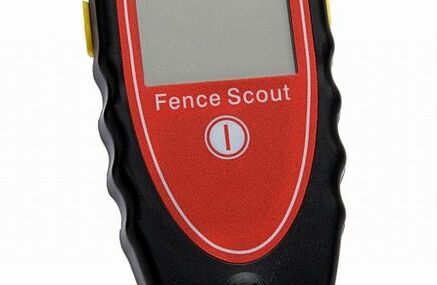
The safest and most reliable approach is to use a purpose-designed electric fence tester.
A tester allows you to check the voltage on the fence and determine whether the system is operating correctly. More advanced fault-finding testers can also help identify the direction of a fault, which can be particularly useful on larger fencing systems.
Test the fence at several locations rather than assuming that a good reading close to the energiser means the entire system is functioning correctly.
And don't test an electric fence by deliberately touching it yourself. Use the correct testing equipment instead.
Yes, electric fencing conductors can be joined, but making a good electrical connection is essential.
Simply tying two pieces of tape, rope or polywire together may create a physical connection without providing the best electrical connection between the conductive strands.
Using suitable electric fence connectors helps maintain conductivity across the join and can create a neater, more reliable fence.
Connections are also worth checking during routine maintenance. Corrosion, loosening or physical damage can gradually increase electrical resistance and reduce fence performance.
Electric fencing is designed for outdoor use and should continue operating in normal wet weather when correctly installed with suitable equipment.
However, rain can reveal existing problems.
Wet vegetation touching the fence can increase electrical leakage, for example, while damaged components or poor connections may cause additional performance issues.
Energisers and other components should always be installed according to their manufacturer's instructions, including any requirements relating to weather protection.
The lifespan of an electric fence depends heavily on its materials, installation, environment and maintenance.
A quality permanent system using suitable high-tensile wire and robust components can remain in service for many years. Temporary tape, rope and polywire are more exposed to repeated handling, UV light and weathering and may therefore require replacement sooner.
Instead of relying on age alone, inspect your fencing regularly for:
Regular maintenance can help extend the working life of an electric fence and identify individual components that need replacing before they affect the rest of the system.
Electric fencing should be checked regularly, with more frequent inspections where livestock security is particularly important or conditions are likely to change quickly.
Walk the fence line and look for visible damage, fallen branches, loose conductors, leaning posts and vegetation growth.
Testing the fence is equally important. A fence can appear perfectly intact while a fault elsewhere is reducing its electrical performance.
It is particularly sensible to check a fence after storms, high winds, maintenance work or other events that may have caused damage.
Permanent and temporary electric fences work on the same basic principle, but the equipment used and the way the fence is constructed can be quite different.
Permanent electric fencing is intended to remain in place for longer periods. It commonly uses more substantial posts, suitable insulators and durable conductors such as high-tensile electric fence wire. It is a useful option where a long-term electrified fence line is required.
Temporary electric fencing is designed to be easier to install, move and remove. Lightweight posts can be combined with polywire, tape or rope, while reels make it easier to put up and collect longer fence lines.
This portability makes temporary fencing particularly useful for strip grazing, rotational grazing and subdividing existing fields.
The right approach depends on how long the fence needs to remain in place, how frequently it will be moved and the livestock being managed. In some situations, permanent and temporary electric fencing can also be used together, with a permanent system providing the main infrastructure and temporary lines used to divide grazing areas.
Yes. In fact, flexibility is one of the main advantages of electric fencing.
Temporary electric fencing is widely used to subdivide larger grazing areas and can be particularly useful for strip grazing and rotational grazing.
Lightweight posts, polywire or tape and reels allow the fence line to be repositioned as livestock move onto fresh grazing.
The key is choosing equipment that is practical to move while still providing a sufficiently visible and effective boundary for the livestock you're managing.
Electric fencing can be useful for subdividing horse paddocks and controlling grazing, but horse safety requires particular attention.
Visibility is especially important. Wider electric tape or other clearly visible fencing can help horses recognise the boundary before coming into contact with it.
The British Horse Society advises that electric tape can be useful for dividing fields but should not be relied upon as the sole boundary fence for horses. It also recommends regular inspection of horse fencing. (bhs.org.uk)
Fence layout, height and the possibility of entanglement should all be carefully considered when electric fencing is used around horses.
Electric fencing can be used for sheep, but the system needs to account for their wool, size and behaviour.
Multiple fence strands are commonly used for sheep, with lower conductors helping to discourage animals from pushing underneath the fence. Lambs and younger animals also need to be considered when deciding the number and position of conductors.
Particular care is needed when choosing electric netting or mesh. Government welfare guidance states that electric mesh fencing should not be used for horned sheep because of the risk of entanglement (gov.uk).
As with any livestock electric fence, the setup should be suitable for the animals being contained and checked regularly for damage or other problems that could affect its safety or performance.
A little regular maintenance can prevent many common electric fencing problems.
A useful routine includes checking the fence line for damage, cutting back problematic vegetation, inspecting insulators and connections and testing fence voltage.
You should also inspect the earthing system and power supply periodically and replace damaged components promptly.
For temporary systems, check tape, rope and polywire as you wind them onto reels. This provides a convenient opportunity to spot fraying, broken conductive strands or other signs of wear before the fencing is used again.
A reliable electric fence depends on the whole system working together. The energiser needs to be suitable for the fence, the earthing system needs to be correctly installed and conductors, insulators and connections all need to remain in good condition.
The setup should also suit the livestock you're managing. Cattle, sheep and horses have different fencing requirements, while a permanent boundary fence may need a very different approach from a temporary strip grazing system.
Regular testing and fence-line checks can help you spot vegetation, damaged components and electrical faults before they develop into bigger problems. If performance drops, work through the system methodically rather than assuming the energiser or conductor immediately needs replacing.
Choosing suitable electric fencing equipment is only part of a reliable setup. Correct installation, effective earthing and ongoing maintenance all play a part in keeping the fence working as intended.