A well-installed electric fence can provide reliable livestock control for many years, but exactly how long does electric fencing last? The answer depends on the type of fencing you use, the quality of the components, how the system is installed and how well it is maintained.
A permanent electric fence constructed using quality high-tensile wire can potentially remain in service for decades, while temporary fence tape, rope and polywire will generally experience more wear and may need replacing sooner. Energisers, posts, insulators and connections also have their own maintenance requirements.
In this guide, we'll look at the expected lifespan of different types of electric fencing, the factors that cause fences to deteriorate and the steps you can take to keep your system working effectively for as long as possible.
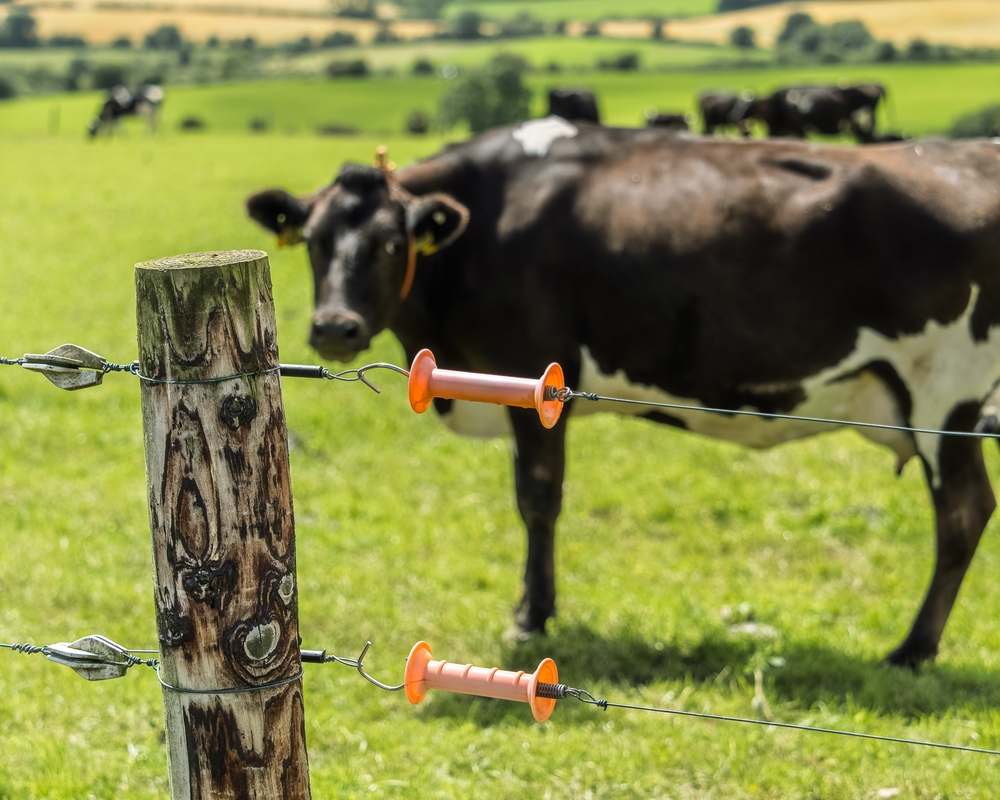
There isn't a single lifespan that applies to every electric fence.
A permanent electric fencing system made from durable materials and installed correctly can be a long-term investment. Some modern high-tensile fencing products have manufacturer-stated lifespans of 25 to 30 years, although actual longevity will depend on the product, installation and conditions.
Temporary electric fencing is different. Products such as polywire and electric tape are designed to be lightweight, portable and easy to move. This makes them ideal for temporary paddocks and rotational or strip grazing, but their exposure to UV light, weather, repeated handling and physical wear means their useful lifespan can differ significantly from a permanent high-tensile system.
The key question, therefore, isn't simply "How long does electric fencing last?" but "How long should this particular electric fencing system last?"
Whether you choose a permanent or temporary system is one of the biggest factors affecting the lifespan of your electric fence.
Permanent systems are intended to remain in position for many years and are typically built using robust posts, insulators and metal conductors such as high-tensile wire.
High-tensile electric fencing is particularly well suited to long permanent fence lines because it combines good conductivity with strength and durability. Some high-tensile products use protective zinc and aluminium coatings to help prevent corrosion, with certain products carrying life expectancies of up to 30 years.
If you're creating a permanent livestock boundary, investing in quality materials from the outset can therefore pay off over the longer term.
Temporary electric fencing prioritises portability and flexibility.
Polywire, electric tape and electric rope can be used with temporary posts and reels to create fence lines that can be moved as required. This makes them particularly useful for applications such as strip grazing, rotational grazing and temporary paddock divisions.
Because these materials contain plastic components and are frequently handled, their condition should be checked regularly. Gallagher notes that conductor lifespan varies according to type and that some conductors require more frequent maintenance and replacement than others.
The lifespan of electric fence wire depends heavily on the material from which it is manufactured.
Good-quality high-tensile wire can provide a particularly long service life. For example, some aluminium- and zinc-coated high-tensile wires currently carry manufacturer-estimated lifespans of around 25 to 30 years.
Protective coatings are important because corrosion doesn't just affect the appearance or strength of a fence. It can also affect its ability to conduct electricity efficiently.
However, lifespan figures should always be treated as product-specific rather than universal. Wire quality, coating, local weather, installation, tension and maintenance can all influence how long a particular fence remains serviceable.
When choosing wire for a permanent electric fence, consider both its conductivity and durability rather than making a decision based on price alone.
Electric fence tape, rope and polywire are useful when portability and flexibility are important, but they generally face different wear from permanent metal fencing wire.
These conductors typically combine synthetic material with conductive metal strands. Sunlight, wind and changing weather conditions can gradually affect the synthetic material, while repeated installation, removal and winding onto reels can add further wear.
Electric tape has a wider surface area and can be particularly exposed to movement in windy conditions. Rope and polywire differ in their construction, but should also be checked for deterioration to the outer material and damage to the conductive strands.
Look for signs such as:
Rather than replacing temporary electric fencing according to a fixed number of years, assess both its physical condition and electrical performance. Higher-quality products may use UV-stabilised materials and more durable conductive components, but regular inspection is still important.
Even high-quality electric fencing can deteriorate prematurely if conditions aren't favourable.
Electric fencing spends its life outdoors, so rain, frost, wind, sunlight and changing temperatures can all take their toll.
Plastic components can gradually become brittle or deteriorate, while unsuitable metal components may corrode. Wind can also cause tape and other conductors to move repeatedly, potentially increasing wear around posts and insulators.
Grass, weeds and other vegetation growing against an electric fence can interfere with its performance.
Heavy vegetation creates additional load on the system and can make it harder to maintain sufficient voltage. Keeping fence lines reasonably clear is therefore an important part of routine electric fence maintenance.
Joining conductors incorrectly can cause problems with electrical performance and longevity.
Purpose-designed connectors should be used where appropriate rather than simply knotting conductors together. Correct installation helps maintain conductivity and reduces unnecessary strain on the system.
Insulators prevent electricity escaping from the conductor into fence posts and the ground.
Cracked, damaged or incorrectly installed insulators can therefore reduce the effectiveness of the fence. Regularly checking and replacing damaged components can help keep the entire system performing properly.
A fence needs to be appropriately tensioned.
Loose conductors may sag, move excessively or become less effective as a boundary, while incorrect installation can place unnecessary stress on components. High-tensile systems may use tensioners and tension springs to help maintain the fence correctly as conditions change.
Fence lines can also suffer physical damage from livestock, wildlife, machinery and falling branches. Temporary posts may be knocked over, while wire, rope or tape can be stretched or damaged if animals become caught in or push through the fence. Checking the line after storms or incidents can prevent minor damage developing into a larger fault.
An electric fence that isn't performing as expected hasn't necessarily reached the end of its useful life. Before replacing wire, tape, rope or an energiser, it is worth checking the rest of the system for faults.
Vegetation touching the fence, damaged insulators, poor connections and problems with the earthing system can all affect fence performance. A fault elsewhere in the system can therefore make a conductor or energiser appear to be the problem when the component itself may still be serviceable.
The earthing system is particularly important to the operation of an electric fence. Check earth stakes and their connections as part of routine maintenance, following the energiser manufacturer's installation guidance.
Testing the fence can also help identify where performance is being lost. If voltage is satisfactory near the energiser but falls farther along the fence, inspect the line for vegetation, damaged conductors, faulty insulators and poor connections before deciding that components need replacing.
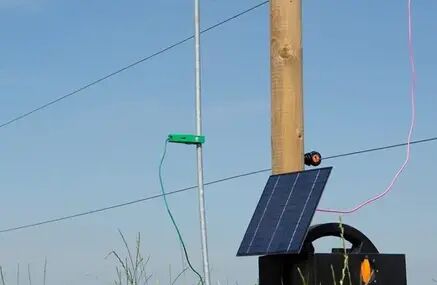
The electric fence energiser is one of the most important components in the system, but there isn't a single useful lifespan figure that applies to every model.
How long an energiser remains serviceable will depend on factors including product quality, installation, operating conditions, weather protection, electrical faults and how the equipment is maintained.
Following the manufacturer's installation and maintenance instructions is therefore more useful than working towards an arbitrary replacement age. Check the energiser and its connections periodically, and investigate changes in fence performance rather than assuming an older unit automatically needs replacing.
For battery-powered systems, remember that energiser lifespan and battery runtime or battery service life are separate considerations. A battery requiring charging or replacement does not necessarily indicate a problem with the energiser itself.
Correct installation is important to the long-term reliability of an electric fence energiser. Follow the manufacturer's instructions on positioning, connections, earthing and protection from the weather.
Electrical events such as lightning can also damage electric fencing equipment. Where the energiser manufacturer recommends lightning or surge protection for the system, using the specified equipment and installation method can help protect the energiser and associated components.
Check cables and connections periodically for damage, corrosion or loose fittings, and deal with faults promptly rather than continuing to operate the system with damaged components.
Good maintenance is one of the simplest ways to maximise the useful life of your electric fencing.
Regularly walk the fence line and inspect the complete system rather than waiting until livestock discover a fault.
Pay attention to the condition of:
Remove problematic vegetation and look for sections where the conductor is damaged, sagging or rubbing against other materials.
An electric fence can look perfectly normal while its electrical performance is deteriorating. Testing the system periodically can help identify faults before they become more disruptive. Start by checking the system in accordance with the energiser and tester manufacturer's instructions. Testing at different points along the fence can help establish whether performance is being lost farther down the line.
If you find a significant drop in performance, inspect the section between your test points. Common causes can include vegetation touching the conductor, damaged insulators, poor connections or damaged wire, tape, rope or polywire.
Using an electric fence tester makes it easier to check fence performance and investigate problems rather than relying on a visual inspection alone.
Regular inspection doesn't have to mean following a complicated maintenance schedule. It makes sense to give the fence extra attention at points when faults or damage are more likely to matter.
For example, inspect fencing before livestock are moved onto grazing, periodically while the fence is in use and after severe weather or work has taken place around the fence line. Hedge cutting, machinery movements and other field work can all provide a good reason to walk the line and check for damage.
Temporary systems should also be inspected as they are moved or reinstalled. Taking a few moments to check posts, conductors, connections and insulators during setup can help identify worn components before livestock are relying on the fence.
How temporary electric fencing is handled between uses can also affect its service life.
When tape, rope or polywire is removed, wind it carefully onto a suitable reel rather than leaving it tangled or loosely stored. This makes the conductor easier to handle the next time it is needed and provides an opportunity to spot damaged or worn sections as it is collected.
When temporary fencing isn't required, storing conductors, reels and temporary posts in a suitable sheltered location can reduce unnecessary exposure to the weather and prevent accidental damage. Avoid putting heavily tangled, wet or damaged fencing straight into storage without checking its condition first.
Age alone isn't always the best indication that an electric fence needs replacing. Instead, consider its condition and performance.
A temporary conductor may need replacing if it has become heavily frayed, stretched or damaged, particularly if multiple conductive strands have broken. Insulators should be replaced if they have cracked or deteriorated, while damaged posts and connectors should also be dealt with promptly.
For permanent fencing, look for corrosion, damaged wire, recurring tension problems and components that are repeatedly causing electrical faults.
Regular testing can help here. Gallagher's maintenance guidance recommends checking the energiser, measuring voltage on the fence and physically inspecting the fence for damaged wire, connections, insulators and posts.
Replacing one worn component at the right time can sometimes prevent a relatively minor issue from affecting the performance of the entire fence.
When comparing electric fencing products, the cheapest initial option won't necessarily provide the lowest cost over the life of the fence.
For permanent fencing in particular, durability can make a considerable difference. A high-quality conductor that maintains its tension, resists corrosion and continues to conduct effectively for many years may require less frequent replacement.
For temporary systems, durability still matters, but so do portability, visibility and ease of handling. A farmer regularly moving fencing for strip grazing may have very different requirements from someone installing a permanent livestock boundary.
Think about how the fence will actually be used before choosing your equipment.
A complete electric fencing system may include an energiser, conductor, posts, insulators and earthing system, so each component needs to be suitable for the application.
So, how long does electric fencing last? The answer can range considerably depending on the type of system you choose.
A quality permanent electric fence can potentially provide decades of service, with some high-tensile conductors carrying manufacturer life expectancies of around 25 to 30 years. Temporary tape, rope and polywire have different characteristics and should be regularly inspected for weathering, physical damage and declining conductivity.
Whatever type of electric fence you use, correct installation and regular maintenance can make a significant difference.
Keep vegetation under control, use suitable connectors, inspect posts and insulators, maintain the correct tension and test your fence regularly. Most importantly, don't wait until a fence stops working completely before giving it attention.
Choosing quality electric fencing equipment and maintaining it properly will help you get the best possible performance and service life from your fencing investment.
Whether electric fence wire corrodes, and how quickly, depends on the material and protective coating used. Some high-tensile wires use zinc or aluminium-based coatings to improve corrosion resistance.
Check permanent fence lines periodically for signs of corrosion or physical deterioration, particularly around connections and other areas where damage may have occurred. If corrosion is affecting the condition or electrical performance of the wire, the affected section may need attention or replacement.
Electric fence tape is continually exposed to outdoor conditions when left installed, including sunlight and changing weather. Over time, UV exposure can contribute to deterioration of synthetic materials.
UV-stabilised materials can improve durability, but tape should still be checked for fading, brittleness, fraying and damaged conductive strands.
Yes. Age alone doesn't determine whether electric fence wire needs replacing. Older wire may remain serviceable if it is in good physical condition and continues to conduct effectively.
Rather than replacing wire simply because it has been installed for a long time, inspect it for corrosion, damage and poor connections and test the electrical performance of the fence.
Consider replacement when deterioration is affecting the physical condition or electrical performance of the conductor.
Signs to look for include significant corrosion, repeated breaks, damaged conductive material and sections that continue to cause performance problems despite connections and other components being checked.
In some cases, only the damaged section needs replacing rather than the entire fence line.
This depends on the type of fencing and how it is used. Permanent electric fencing is designed to remain installed, whereas temporary tape, rope and polywire can be removed when they are no longer required.
If temporary fencing won't be used for an extended period, removing and storing it appropriately can reduce unnecessary weather exposure and gives you an opportunity to inspect the conductor, posts and other components before their next use.