A reliable electric fence depends on more than simply choosing a powerful energiser. allowing the fence to operate correctly when an animal makes contact. Poor earthing can leave even a powerful energiser performing below its potential, making it one of the first areas to investigate when an electric fence is not working as expected.
Whether you are installing a permanent livestock fence, setting up temporary grazing or troubleshooting an existing system, this electric fence earthing guide explains how earthing works, how to install earth stakes correctly and how to check that your system is performing effectively.
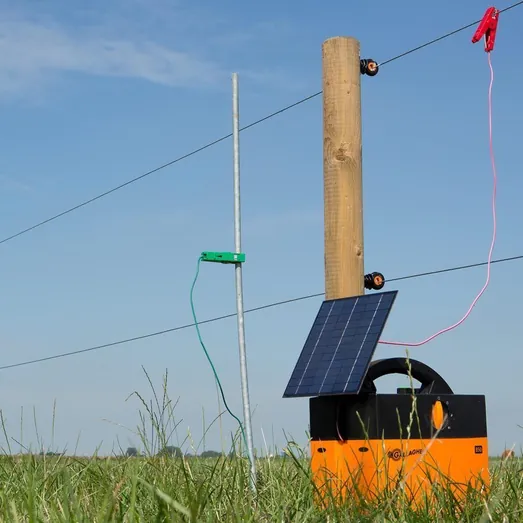
An electric fence works by creating a circuit. The energiser sends electrical pulses along the fence conductor. When an animal touches the live fence while standing on the ground, current travels through the animal into the soil, through the earth system and back to the energiser. It is this completed circuit that produces the short, memorable shock that encourages the animal to respect the fence.
If the earth system cannot efficiently return that current to the energiser, fence performance can suffer.
Symptoms of poor electric fence earthing can include:
Installing a larger energiser will not necessarily solve these problems. A powerful energiser connected to an inadequate earth system can still deliver disappointing results.
That makes earth stakes, earth clamps, insulated earth cable and a suitable fence tester important components of a dependable electric fencing system.
Before installing the earth system, make sure you have components suitable for your energiser and fence setup. Requirements vary between systems, so check the energiser manufacturer's instructions before choosing your equipment.
A typical electric fencing installation may require:
Choose compatible components designed for electric fencing and make sure all connections can be kept clean and secure. If you plan to test the earthing after installation, check that your tester is suitable for earth-system testing, as not every basic fence tester is designed for this purpose.
The position of your earth stakes can make a significant difference to fence performance.
Choose an area where the soil generally retains moisture rather than somewhere exceptionally dry, sandy or stony. Moist soil is typically a better conductor, helping current travel through the earth and return to the energiser.
When planning your earth system, also consider its position in relation to other electrical earthing systems. Keep the electric fence earth system separated from other electrical earth systems and services in accordance with the energiser manufacturer's instructions. For example, manufacturer guidance commonly specifies a minimum separation of 10 metres from mains earthing.
Avoid assuming that one convenient patch of ground will automatically provide sufficient earthing. Soil conditions differ considerably from one location to another, and dry periods can expose an earth system that was only just adequate during wetter weather.
For particularly dry or sandy ground, specialist earthing solutions may also be appropriate.
There isn't one number of earth stakes that is correct for every electric fence.
The number and type of earth stakes required will primarily depend on the energiser manufacturer's requirements and local soil conditions. Fence size and design can also influence the energiser required and, in turn, the earthing system needed.
As a general principle, larger and more powerful electric fence systems are likely to require a more substantial earth system.
Earth rod requirements can also vary according to energiser type. This is why it is better to check the instructions for your specific energiser rather than relying on a universal rule.
If several earth stakes are required, spacing matters too. Some manufacturer guidance recommends installing multiple earth stakes at least three metres apart and connecting them using suitable double-insulated earth cable.
Most importantly, don't judge an earth system by appearance alone. Test it once installed to determine whether additional stakes are required.
A good earth system is relatively straightforward to install when you have the correct equipment.
Connections need to remain clean, secure and corrosion-free. Loose or deteriorating connections introduce resistance and can undermine an otherwise well-designed system.
The correct cable specification is important too, particularly over longer distances. Always match your cable to the energiser manufacturer's requirements.
Use compatible earth stakes, clamps and connections recommended for the system. Mixing unsuitable metals can contribute to corrosion and poor connections over time, so follow the manufacturer's guidance when selecting components.
Soil conditions can have a noticeable effect on electric fence earthing. Moist ground generally conducts current more effectively, while prolonged dry weather, sandy soil or particularly stony ground can make it harder for the earth system to return current to the energiser.
This means an earth system that performs well during wetter periods may perform differently after an extended spell of dry weather. Where possible, earth stakes should be positioned in ground that retains moisture, while still following the installation and safety requirements provided by the energiser manufacturer.
If fence performance drops during dry conditions, test the earth system rather than assuming the energiser is at fault. The results can help establish whether the earthing needs attention or whether the problem lies elsewhere in the fence.
Testing is the best way to establish whether your earth system is actually sufficient.
An earthing test usually involves deliberately loading the fence at a suitable distance from the energiser, checking that the fence voltage has fallen sufficiently, and then measuring the voltage on the earth system with an appropriate voltmeter. The acceptable readings and exact procedure can vary between manufacturers and energisers, so follow the instructions supplied with your equipment rather than relying on a universal voltage figure. Depending on the equipment being used, this may involve creating a short on the fence away from the earth system and then taking a reading at the earth stake using a suitable electric fence tester or digital voltmeter.
Testing is particularly worthwhile after:
Regular testing can reveal an earthing problem before it develops into unreliable livestock containment.
Even a correctly installed earth system requires occasional inspection. If fence performance suddenly drops, check these common causes before assuming the energiser has failed.
A systematic approach is therefore best: test the energiser, test the fence, inspect the fence line and then test the earth system.
Using components suited to the energiser and installation can help maintain secure connections and make the earth system easier to inspect and maintain. Depending on your installation, the key products to consider include galvanised earth stakes or earth rods, secure earth clamps, double-insulated earth cable and a suitable digital fence tester or fault finder.
The correct combination will depend on the energiser and fence design rather than simply the overall length of the boundary. Before buying components, check the energiser manufacturer's recommendations for stake length, quantity, cable specification and installation.
Investing in the right earthing equipment at the beginning can also make troubleshooting much easier later. A good fence tester, in particular, allows you to check both fence voltage and earthing performance rather than relying on guesswork.
Electric fence earthing may be largely hidden underground, but it is one of the most important parts of the entire system. Without an effective route for current to return to the energiser, even a high-performance energiser cannot deliver its full potential.
Start by choosing a suitable location, use proper electric fence earth stakes, clamps and insulated cable, follow the requirements for your particular energiser and test the system after installation. If the earth reading is too high, improve the earth system rather than simply assuming you need a more powerful energiser.
With correctly installed and regularly tested earthing, the fence system is better placed to maintain consistent performance as ground and weather conditions change.
Explore our range of electric fence earthing equipment, including earth stakes, clamps and other accessories for installing and maintaining your fence earth system.