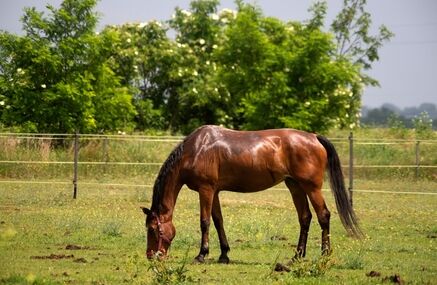
Electric fencing can be a practical and versatile way to manage horses and ponies, whether you're dividing a larger paddock, managing grazing or creating temporary turnout areas. However, horses are powerful, fast-moving animals, and fencing needs to be carefully selected, installed and maintained with their safety in mind.
From choosing highly visible electric tape or rope to positioning posts correctly and checking the fence regularly, there are several factors that can help make an electric fencing system safer and more effective.
In this guide, we'll look at some of the key considerations when using electric fencing around horses, including suitable fencing materials, visibility, fence positioning, maintenance and common mistakes to avoid.
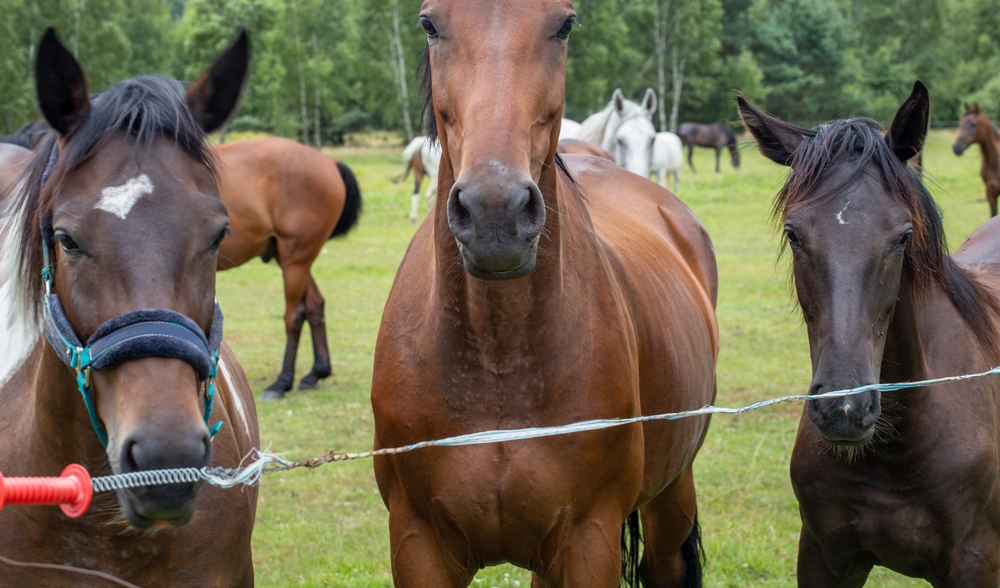
Electric fencing can be used safely and effectively with horses when it forms part of an appropriate fencing system and is correctly installed and maintained.
Unlike a solid physical barrier, an electric fence works by teaching the horse to respect the boundary. When the horse touches an electrified conductor, it receives a brief shock that discourages it from making contact again.
One of the biggest advantages of electric fencing is its flexibility. It can be particularly useful for dividing existing paddocks, controlling access to grazing and creating temporary sections within a securely fenced field.
However, the British Horse Society advises that electric tape should not be relied upon as the sole boundary fence for horses. Instead, it is particularly useful for dividing fields or supplementing other suitable fencing.
Horses that are unfamiliar with electric fencing need the opportunity to learn where the boundary is and to respect it. Ideally, this should happen within a securely enclosed paddock rather than relying on electric tape or rope as the only barrier.
Make sure the fence is clearly visible, correctly installed and working before turning horses out. Horses can react quickly when they first encounter an electric fence, so they should have enough space to move away safely without being forced towards another fence, gate or obstacle.
Visibility is an important consideration when choosing any type of horse fencing.
Horses need to be able to recognise where the boundary is, particularly when running or playing in a paddock. A thin fence line that is difficult to see can present an unnecessary risk.
For this reason, electric tape is a popular choice for horse paddocks. Its wider profile makes it more noticeable than thin wire, helping horses identify the boundary before they come into contact with it.
Electric rope or other suitably visible electric fencing products may also be appropriate depending on the setup.
Whatever you choose, consider how easy the fence will be for the horse to see in changing conditions. A fence that stands out clearly on a bright summer afternoon should ideally remain easy to identify during dull weather and darker winter days.
One of the most useful applications for electric fencing is creating temporary divisions within an existing horse paddock.
Dividing a field can help with grazing management, allowing sections of grass to rest while horses graze elsewhere. It can also be useful when creating temporary turnout areas or managing horses that require controlled access to grass.
Temporary systems commonly use electric fence posts combined with electric tape or rope, allowing the fence line to be repositioned when necessary.
The British Horse Society describes electric tape as versatile, relatively low-cost and useful for dividing fields. Its current riding-centre guidance also recommends temporary battery- or solar-powered electric tape or rope with plastic posts for divisional fencing rather than as the sole field boundary.
When creating a temporary paddock division, think carefully about its layout. Horses should have sufficient room to move around without being forced into tight corners or narrow spaces where they could become trapped against the fence.
Visibility should be a priority when choosing an electric fence conductor for horses. Wide electric tape is commonly used because it creates a clear boundary that horses can recognise easily, making it particularly suitable for paddock divisions and temporary grazing areas.
Electric rope can also provide a visible and durable fence line for suitable setups. Whichever you choose, make sure it is compatible with your posts, insulators and energiser and is kept properly installed and maintained. Avoid using thin conductors that may be difficult for a fast-moving horse to see.
Fence height is another important consideration when creating a safe paddock.
The appropriate height will depend on the individual horse or pony, so fencing should always be selected with the animals using the field in mind.
As a general guide, the British Horse Society recommends fencing heights of approximately 1.08m to 1.38m for horses, 1m to 1.3m for ponies and 1.25m to 2m for stallions.
The number and positioning of electric tape or rope strands also need consideration. Multiple strands at different heights can create a more visible boundary and help discourage horses from reaching over, underneath or through the fence.
Think about the size, age and behaviour of the horses using the paddock rather than treating one fencing arrangement as suitable for every animal.
The electric fence energiser is at the heart of an electric fencing system, providing the electrical pulses that travel along the fence line.
Choosing the correct energiser will depend on the size and design of your fencing system, its power source and the conditions in which it will be used.
Depending on the location of the paddock, options may include mains-powered, battery-powered or solar-compatible electric fencing systems.
Whichever system you use, follow the manufacturer's installation instructions carefully and ensure the fence is properly earthed. An incorrectly installed or poorly performing fence may fail to provide the consistent boundary that horses need to learn to respect.
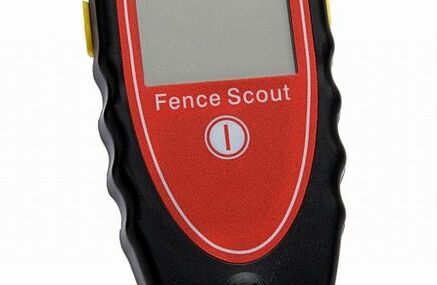
A fence tester is also a useful addition to an electric fencing kit, allowing you to check that the fence is operating correctly instead of relying on guesswork.
Good earthing is essential for an electric fence to work effectively. When an animal touches the live conductor, the electrical pulse needs to travel through the animal and ground before returning to the energiser through the earthing system.
Follow the energiser manufacturer's recommendations for the number, type and positioning of earth stakes required, as this can vary between systems. Poor earthing can result in weak fence performance, so if the fence is not delivering the expected voltage, the earthing system is one of the areas worth checking.
Even a well-installed electric fence needs regular attention.
Weather, vegetation and everyday activity around a paddock can all affect a fence over time. Posts can lean, tape can become loose and vegetation can grow up around the fence line.
The British Horse Society recommends that horse fencing should ideally be inspected daily.
When checking an electric fence, look for:
Testing the fence regularly is equally important. Finding a fault before a horse discovers it can prevent the animal from learning that a particular section of the fence can be ignored.
Electric tape or rope should be kept sufficiently tensioned to create a clear, tidy fence line. Loose or sagging fencing is easier for a horse to push through and can increase the risk of a leg or hoof becoming caught. Check tension regularly, particularly after strong winds or bad weather, and look for damaged tape, rope, posts and fittings. Temporary fencing may need more frequent adjustment as posts can move and conductors can loosen over time.
Think carefully about where an electric fence begins and ends.
Gateways are naturally busy areas where horses and handlers need enough room to turn, stop and pass through safely. Electric tape hanging loosely around an entrance or a poorly positioned gate handle can create an avoidable hazard.
Gateways are busy areas, so horses and handlers need enough room to enter and leave the paddock without coming into unnecessary contact with electric fencing. Keep tape, rope, gate handles and other components tidy and securely positioned, with no loose conductors creating an entanglement risk.
Extra care is needed where electric fencing runs close to a bridleway or another route used by horses and the public. The BHS recommends keeping electric fencing leading towards gates on equestrian routes at least two metres from both the hinge and latch ends on both sides. Electric fencing beside public access should also be clearly identified with suitable warning signs and positioned so people can use the route safely.
The Countryside Code also advises land managers to provide enough space for visitors to use paths safely and to use signs to warn people where fencing is electric.
Not every fencing material is appropriate for horses.
In particular, barbed wire should never be used as horse fencing, as a horse becoming caught or snagged can suffer severe injuries. The BHS also highlights the poor visibility of plain wire and advises additional precautions when it is used.
Stock fencing requires consideration too. Although it can be useful where land is used for mixed grazing, there is a risk of horses getting their hooves caught. The BHS recommends using a secondary fence line, such as electric fencing, to prevent horses from reaching stock fencing.
The key is to consider fencing from the horse's perspective. Could a hoof become caught? Is the boundary clearly visible? Are there loose sections a horse could become tangled in? Is there enough room for horses to move away from one another without being pushed into the fence?
Addressing potential problems before turning horses out is far better than discovering them after an accident.
Extra thought may be needed where electric fencing separates horses in adjoining paddocks. Horses may try to interact across the boundary, particularly when new animals are introduced or when neighbouring horses are used to being together.
Position fencing so horses cannot easily reach across or through it, and avoid creating narrow spaces where an animal could become trapped. Keep an eye on how horses behave around a new fence layout and make adjustments if animals are regularly challenging or crowding the boundary.
Creating a reliable electric fencing system usually requires several components working together.
Depending on the individual setup, this could include an electric fence energiser, electric tape or rope, fence posts, insulators, connectors, gate handles and a fence tester.
For temporary paddock divisions, lightweight posts and easily handled tape can make moving the fence considerably quicker. For more permanent systems, stronger posts and fittings may be preferable.
Rather than choosing each component in isolation, think about the complete system. The conductor, energiser, posts and accessories all need to work together to create a secure, visible and dependable boundary.
Before turning horses into a paddock containing electric fencing, take a few minutes to walk the entire fence line.
Check that the fence is clearly visible, properly tensioned and free from damaged components. Make sure posts are secure and there are no loose sections of tape or rope that could present an entanglement risk.
Pay particular attention to corners and gateways, and check that horses have enough room to move naturally around the field.
Finally, test the electric fence to confirm it is operating as intended.
Making these checks part of your normal paddock routine can help identify small problems before they develop into larger safety issues.
Electric fencing for horses can provide a flexible solution for dividing paddocks, managing grazing and creating temporary boundaries, but safety should always come first.
Choose fencing that horses can see easily, install it at an appropriate height and use an energiser suited to your particular system. Keep fence lines well maintained, inspect them frequently and pay particular attention to gateways, corners and areas where horses may congregate.
Electric fencing is most effective when horses recognise and respect a clear, consistent boundary. With suitable electric fencing equipment and regular maintenance, it can become a practical part of a well-managed horse paddock.
Whether you're creating a new paddock division or improving an existing electric fence, taking the time to plan the system around the needs and behaviour of your horses will help create a safer and more effective grazing environment.
For reliable electric fencing for horses, explore our full range of electric fencing supplies, or get in touch with the Tanner Trading team if you need help choosing the right products for your paddock.