Electric fencing is one of the most effective and economical ways to safely contain livestock while protecting grazing areas and managing rotational grazing. However, not all animals behave in the same way, which means the ideal electric fencing setup for horses may not be suitable for sheep, cattle or poultry.
From selecting the right conductor to choosing a suitable energiser, understanding the needs of your livestock will help you build a fencing system that is safe, reliable and long-lasting. This guide explains the best electric fencing solutions for different types of livestock and the products you'll need to achieve the best results.
Unlike conventional fencing, electric fencing creates a psychological barrier rather than a physical one. A short, safe pulse teaches livestock to respect the fence, reducing the likelihood of animals pushing through or damaging it.
Electric fencing also offers several advantages:
Choosing the right fencing materials and energiser ensures your system performs effectively for the animals you're managing.
Before choosing an electric fencing system, think about the livestock you need to contain, the size of the area and whether the fence will be permanent or temporary. Different animals require different fence layouts, conductors and levels of visibility.
You should also consider the total fence length, number of strands, vegetation around the fence and access to mains power. If you regularly move fencing for strip or rotational grazing, a portable battery or solar-powered setup may be more practical.
Temporary electric fencing works well for strip grazing, paddock divisions and areas that need to change throughout the season. Permanent systems use more substantial posts and conductors and are better suited to long-term boundaries or regularly used grazing areas.
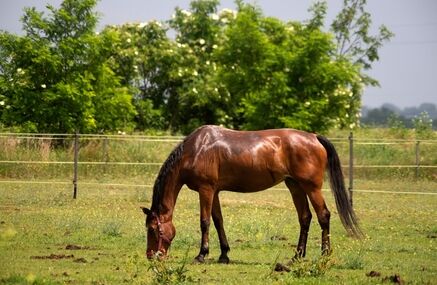
Horses require fencing that is both highly visible and safe. Because horses can become startled easily, they benefit from fencing that they can clearly see before making contact.
Electric fence tape is a popular choice for horse paddocks and temporary divisions because its wider profile makes it easier for horses to see.
For horse fencing, consider:
Good visibility is particularly important when fencing horses, so very fine conductors are generally less suitable for paddock divisions.
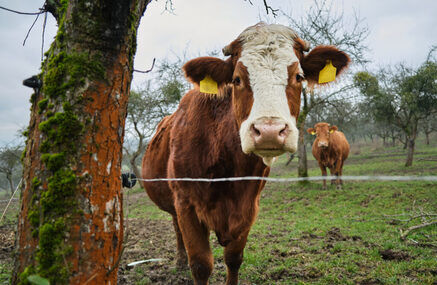
Cattle generally respond well to electric fencing once trained. They are less likely to challenge a fence after receiving a few safe electric shocks.
Depending on the size of your grazing area, polywire, rope or electric tape can all be suitable options.
For cattle fencing, choose:
Well-maintained electric fencing can reduce fence repairs while making paddock management much easier.
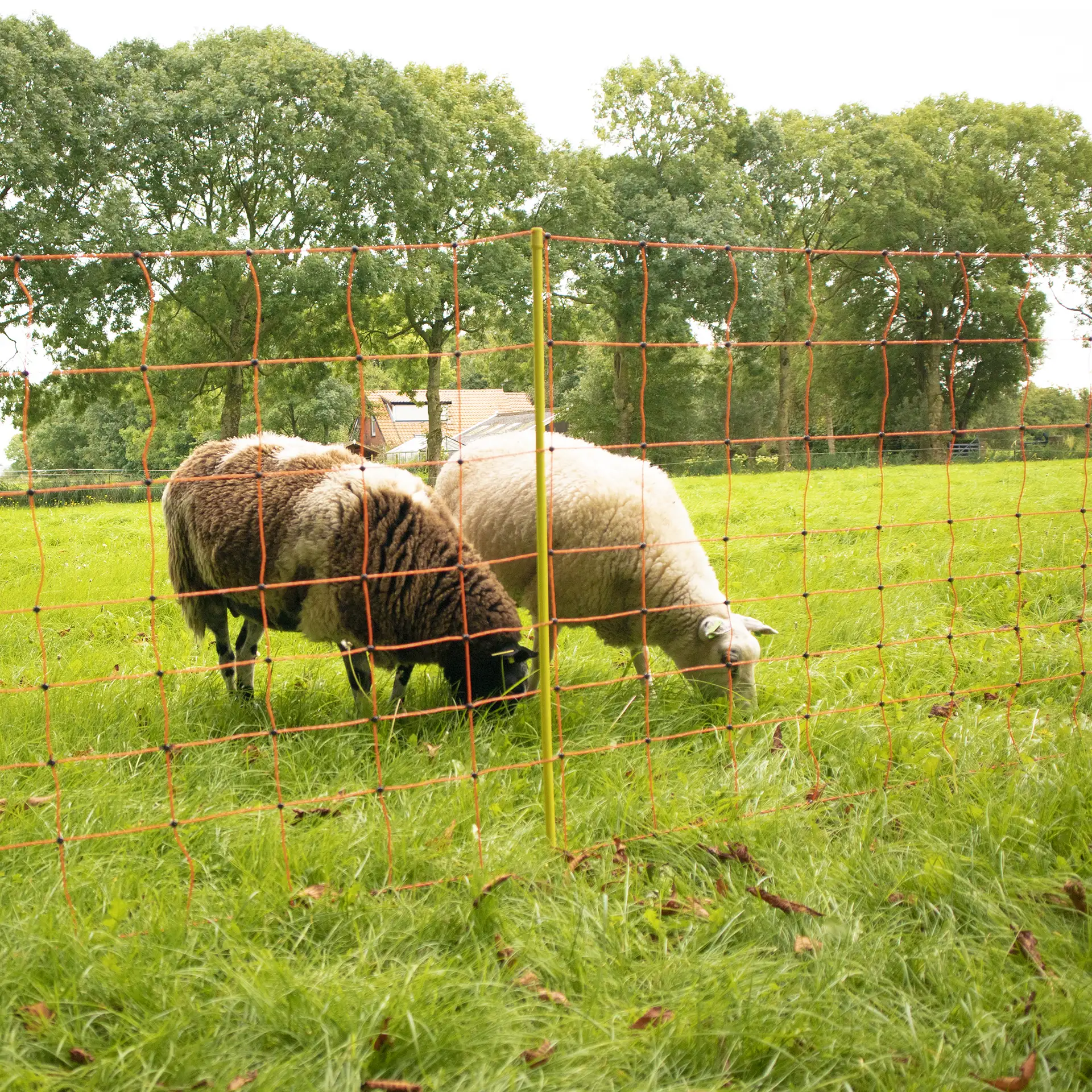
Sheep can be more challenging to contain with electric fencing because their thick fleece can reduce contact with the electric pulse. A well-powered fence with good earthing is therefore particularly important, along with conductors positioned where sheep are more likely to make contact.
For sheep fencing, consider:
Electric sheep netting is a practical choice for temporary paddocks, rotational grazing and other areas where fencing needs to be moved regularly. Multi-strand electric fencing can also be used for more permanent setups.
Whichever system you choose, keep grass and other vegetation away from the electrified conductors. Heavy vegetation can draw power from the fence and reduce its effectiveness, particularly over longer fence runs.
Goats are intelligent, agile and naturally curious, making them one of the most difficult livestock to contain.
A secure electric fence for goats should include:
Goats quickly identify weaknesses in fencing, so routine maintenance is essential.
Electric poultry netting is a practical option for keeping poultry contained while helping to deter predators.
Poultry netting systems are easy to move, making them ideal for rotational grazing and free-range management.
For the best results you'll need:
Properly tensioned netting and adequate voltage help prevent foxes and other predators from breaching the enclosure.
The number and position of electric fence strands will depend on the livestock being contained. Cattle can often be managed with one or two well-positioned lines, while sheep, goats and younger animals may need several strands at different heights to prevent them pushing underneath or through the fence.
Posts should be spaced closely enough to keep the conductor properly tensioned, with extra support at corners, gateways and changes in direction. For more detailed guidance on setting up your fence, see our guide to installing electric fencing safely.
The energiser is at the heart of your electric fencing system, providing the electrical pulse that travels along the fence. Choosing the right model isn't just about the power source – you'll also need to consider the size and demands of your fencing setup.
When choosing an energiser, take into account the total fence length, number of strands, type of livestock and amount of vegetation likely to come into contact with the fence. Longer fences and more demanding conditions generally require a higher-output energiser to maintain an effective voltage around the entire system.
Energiser output is commonly measured in joules. A higher joule rating generally means the energiser can supply more energy to the fence, making it better suited to longer fence lines, multiple strands or conditions where grass and vegetation may place additional load on the system.
Ideal for permanent installations with access to electricity.
Battery energisers provide a portable option for temporary fencing, strip grazing and remote fields without access to mains electricity. Remember to check battery charge regularly to maintain reliable fence performance.
Solar energisers use a solar panel to help maintain the charge of a rechargeable battery. They're particularly useful for remote grazing areas where mains electricity isn't available and regular battery charging would be inconvenient.
Dual-power energisers can operate from either a 12V battery or mains electricity, giving you greater flexibility if your fencing requirements change or you need to move the system between locations.
Don't choose an energiser based on fence length alone. Allow for the number of fence lines, livestock being contained, vegetation and possible future expansion. Choosing an energiser with enough capacity from the outset can help maintain reliable fence performance as conditions change.
A reliable earth system is essential for an electric fence to work properly. When an animal touches the fence, the electrical pulse travels through the animal and ground before returning to the energiser through the earth stakes, completing the circuit.
Poor earthing can result in a weak electric pulse, even when you're using a suitable energiser. Make sure your earth stakes are correctly installed and connections are secure, and check them regularly for corrosion or damage.
Dry ground conditions can also affect fence performance, so earthing may need extra attention during prolonged periods of dry weather. If your fence voltage is lower than expected, checking the earth system should be one of your first troubleshooting steps.
A high-quality fencing system relies on more than just the energiser.
Essential accessories include:
Using quality accessories helps improve fence performance, reduce maintenance and extend the lifespan of your installation.
Electric fencing is safe for livestock when it is correctly installed and used with a suitable energiser, but there are a few important precautions to follow.
Always install your fence and energiser according to the manufacturer’s instructions. Avoid electrifying barbed wire or other fencing where animals could become trapped, and use electric fence warning signs where required, particularly around public access areas and rights of way.
Make sure all connections, earth stakes and cables are securely installed and regularly checked for damage. You should also avoid connecting more than one energiser to the same electric fence, as this can create an unsafe setup.
If your electric fence runs alongside a public footpath, road or other frequently used area, take extra care with its positioning and visibility. A properly installed and regularly maintained system will help keep both livestock and people safe.
Regular maintenance keeps your fencing working efficiently throughout the year.
Simple checks include:
A well-maintained electric fence provides consistent performance while reducing the likelihood of livestock escapes.
If your fence loses power:
Animals that haven't encountered electric fencing before may need time to learn to respect it. Where possible, introduce livestock to the fence within a secure paddock or existing boundary before relying on electric fencing alone.
The right electric fencing setup will depend on the livestock you're keeping, the length and location of the fence and whether you need a permanent or temporary system. Getting the energiser, conductor and earth system right from the outset will make the fence easier to maintain and more reliable throughout the grazing season
Tanner Trading stocks electric fence energisers, tape, rope, polywire, netting, posts, testers and accessories for permanent and temporary livestock fencing. If you're unsure which energiser or fencing setup is suitable for your land, get in touch with our team for advice.
Visit our website to view our full range of electric fencing essentials.