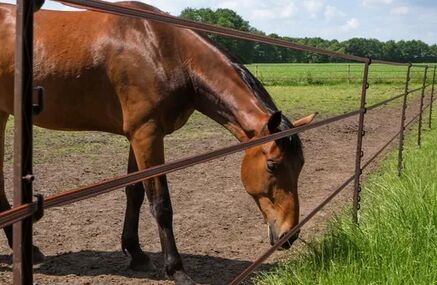
As spring arrives and grazing begins, ensuring your electric fencing is in full working order is essential for effective livestock management. After months of harsh weather, fences can suffer wear and tear, making early preparation key to avoiding problems later in the season.
In this guide, we’ll walk through the essential steps to get your electric fencing ready for grazing, helping you maintain safety, improve efficiency and keep your livestock secure.
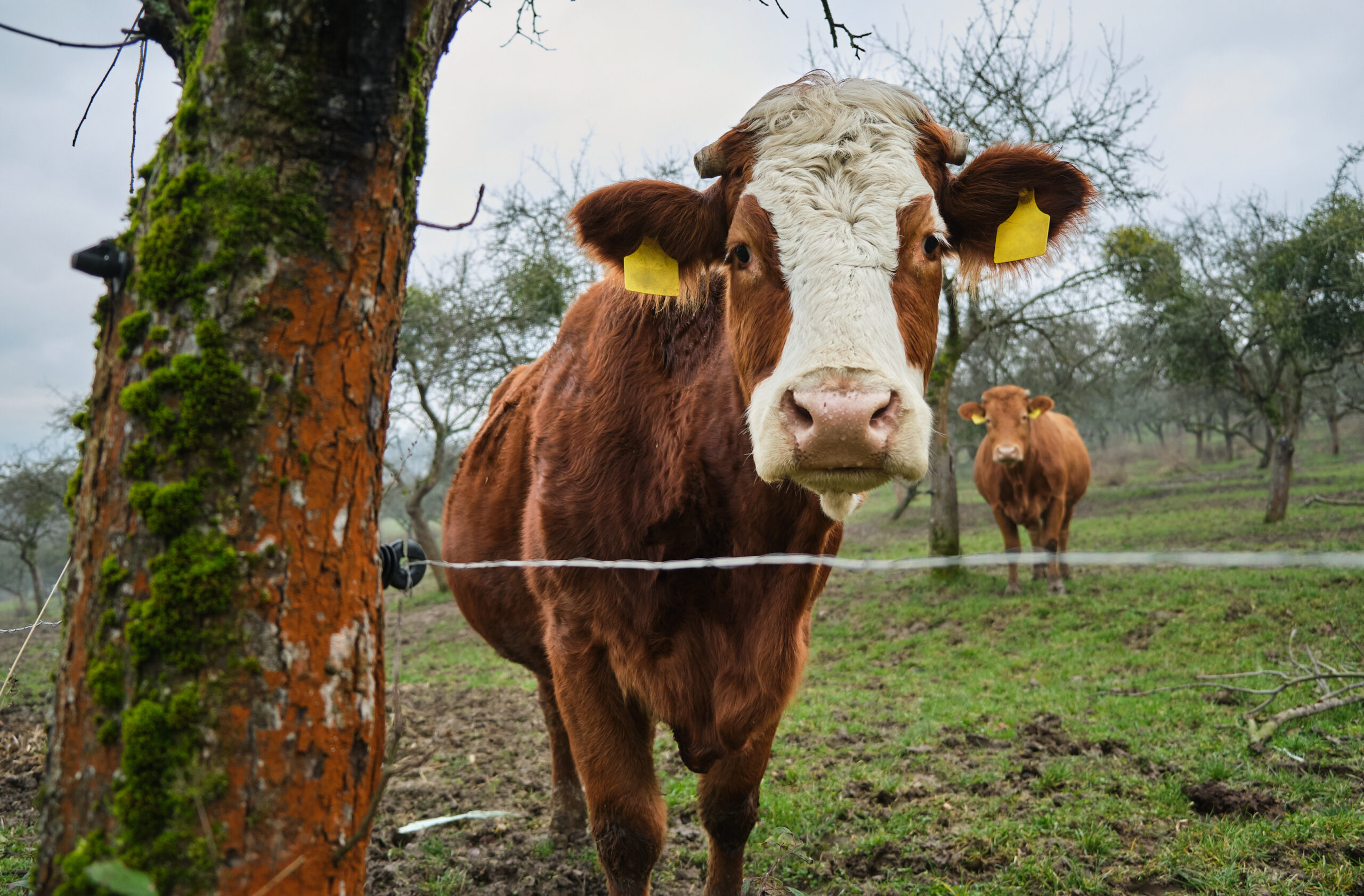
Start by walking the full length of your fence line to check for any visible damage. Winter conditions can weaken posts, loosen wires and cause general deterioration.
Look out for:
Addressing these issues early will prevent faults and ensure consistent performance. Most livestock fencing systems should maintain at least 3,000 volts, although sheep often require higher voltages due to their wool insulation. If readings are lower than expected, check for vegetation contact, poor earthing or damaged fence components.
For a more in-depth guide, take a look at our blog on Essential Electrical Fence Checks.
Your energiser is the heart of your electric fencing system, so it’s important to make sure it’s functioning correctly before livestock are turned out.
Check the following:
If voltage levels are low, it may indicate a fault or energy loss along the fence.
Before switching your electric fence back on, it's important to make sure the system is safe for both people and livestock. Check that gate handles are secure, insulated and operating correctly, and inspect any mains-powered energisers to ensure they are installed in a dry, protected location with cables in good condition.
If your fence borders a public footpath or road, make sure electric fence warning signs are clearly visible and positioned where required. It's also good practice to keep children and anyone unfamiliar with electric fencing away from energisers and live fence lines. Taking a few simple precautions will help you use your electric fencing system safely throughout the grazing season.
Check the following;
Grass, weeds and branches can drain power from your electric fence, reducing its effectiveness. As growth picks up in spring, this becomes even more important.
Regularly:
This helps maintain a strong, consistent charge throughout your fencing system.
Proper grounding is crucial for your electric fence to deliver an effective shock. Poor earthing is one of the most common causes of underperforming systems.
Make sure:
Good grounding ensures your fence works reliably in all conditions. Dry ground can reduce fence performance. If your fence regularly loses power during dry spells, additional earth stakes may improve performance.
Over time, parts such as insulators, connectors and tape can degrade. Replacing worn components before the season starts will improve performance and reduce the risk of failure. Check electric tape for fraying, stretching or UV damage. If using wire, inspect for corrosion, loose joins and broken strands.
Consider updating:
Using high-quality replacement parts can make a noticeable difference in durability and efficiency.
If you use electric fencing for paddock management, now is the time to plan your layout. Temporary fencing and reels can help you divide land effectively and manage grazing patterns. Setting these up early will save time and effort during the busy grazing season.
Benefits include:
Make sure you add these to your to-do list for rotational grazing:
If you're introducing young or inexperienced livestock to electric fencing for the first time, it's important to ensure the fence is working effectively from day one. A clear, consistent electric pulse helps animals quickly learn to recognise and avoid the boundary, reducing the likelihood of future escapes or damage to your fencing.
When turning out calves, lambs or young horses, make sure fences are clearly visible and free from faults that could reduce the shock. Electric fence tape is often easier for horses to see than wire, while ensuring the fence is properly tensioned and highly visible can help all livestock understand the boundary more quickly.
To help livestock adapt safely:
Taking the time to introduce livestock to a well-maintained electric fencing system will help establish good grazing habits and reduce the need for repairs or adjustments later in the season.
Having the right replacement parts and accessories available can save valuable time if repairs are needed during the grazing season. Even a small fault, such as a damaged insulator or broken gate handle, can reduce the effectiveness of your fence and increase the risk of livestock escaping.
Before the season gets underway, it's worth checking your stock of fencing essentials and replacing anything that's worn or running low.
Consider keeping the following items on hand:
Keeping these essentials readily available means you'll be prepared to carry out quick repairs and routine maintenance whenever they're needed, helping your electric fencing system remain reliable throughout the grazing season.
Taking the time to inspect and maintain your electric fencing before turnout can help prevent problems throughout the grazing season. By checking energisers, clearing vegetation and replacing worn components, you can ensure reliable performance and keep livestock safely contained. If you're unsure which fencing products are right for your setup, our team is always happy to help.
Browse our website to see our full range of high quality electric fencing essentials.