As spring arrives and grazing begins, ensuring your electric fencing is in full working order is essential for effective livestock management. After months of harsh weather, fences can suffer wear and tear, making early preparation key to avoiding problems later in the season.
In this guide, we’ll walk through the essential steps to get your electric fencing ready for grazing, helping you maintain safety, improve efficiency and keep your livestock secure.
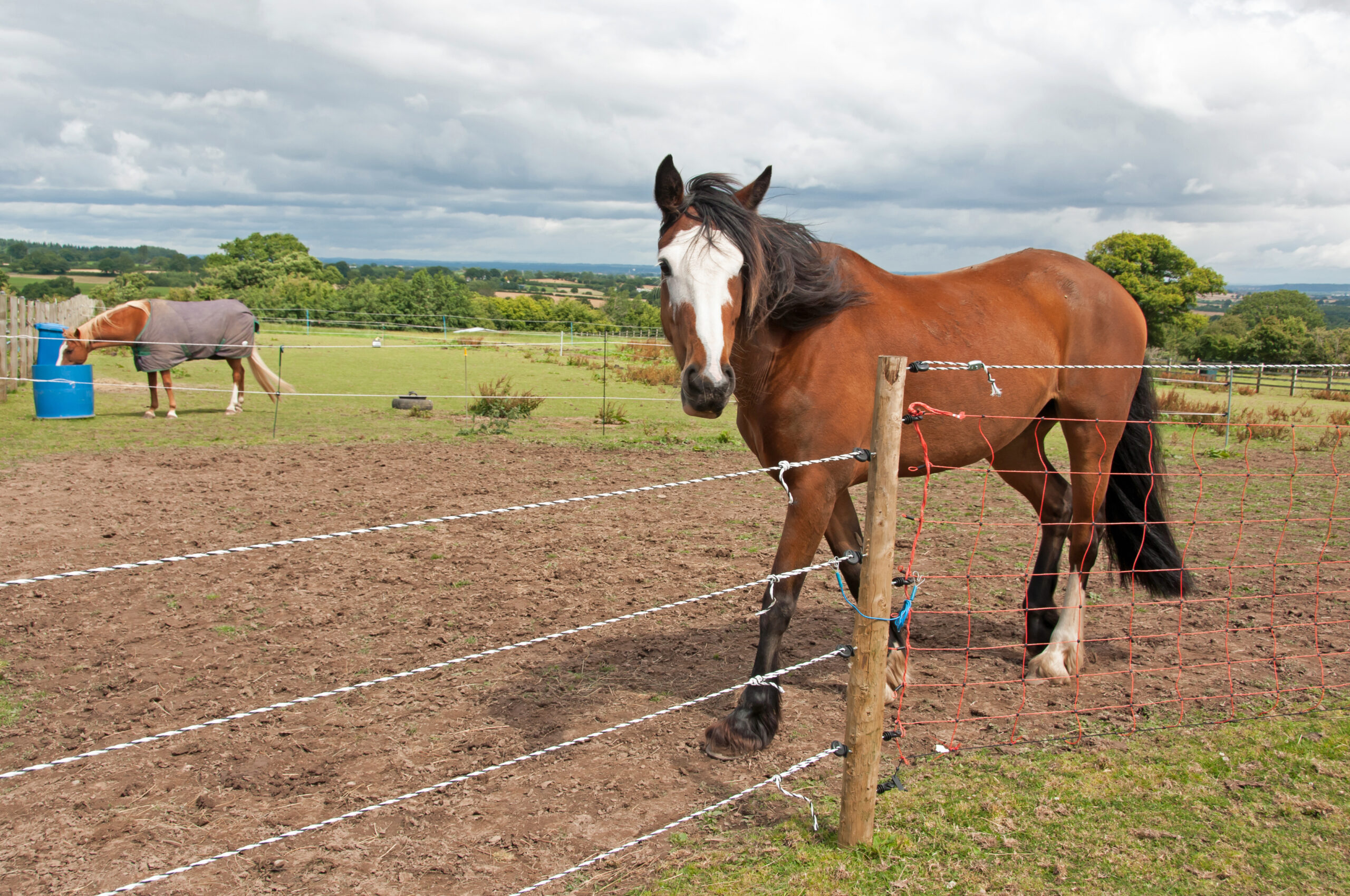
Start by walking the full length of your fence line to check for any visible damage. Winter conditions can weaken posts, loosen wires and cause general deterioration.
Look out for:
Addressing these issues early will prevent faults and ensure consistent performance.
Your energiser is the heart of your electric fencing system, so it’s important to make sure it’s functioning correctly before livestock are turned out.
Check the following:
If voltage levels are low, it may indicate a fault or energy loss along the fence.
Grass, weeds and branches can drain power from your electric fence, reducing its effectiveness. As growth picks up in spring, this becomes even more important.
Regularly:
This helps maintain a strong, consistent charge throughout your fencing system.
Proper grounding is crucial for your electric fence to deliver an effective shock. Poor earthing is one of the most common causes of underperforming systems.
Make sure:
Good grounding ensures your fence works reliably in all conditions.
Over time, parts such as insulators, connectors and tape can degrade. Replacing worn components before the season starts will improve performance and reduce the risk of failure.
Consider updating:
Using high-quality replacement parts can make a noticeable difference in durability and efficiency.
If you use electric fencing for paddock management, now is the time to plan your layout. Temporary fencing and reels can help you divide land effectively and manage grazing patterns.
Benefits include:
Setting this up early will save time and effort during the busy grazing season.
Preparing your electric fencing ahead of the grazing season is a simple but essential task that can prevent costly issues and ensure smooth livestock management. By checking your system thoroughly, maintaining key components and clearing vegetation, you can rely on your fencing to perform when it matters most.
A well-maintained electric fence not only improves efficiency but also provides peace of mind, helping you focus on getting the most out of your grazing this season.
Browse our website to see our full range of high quality electric fencing essentials.